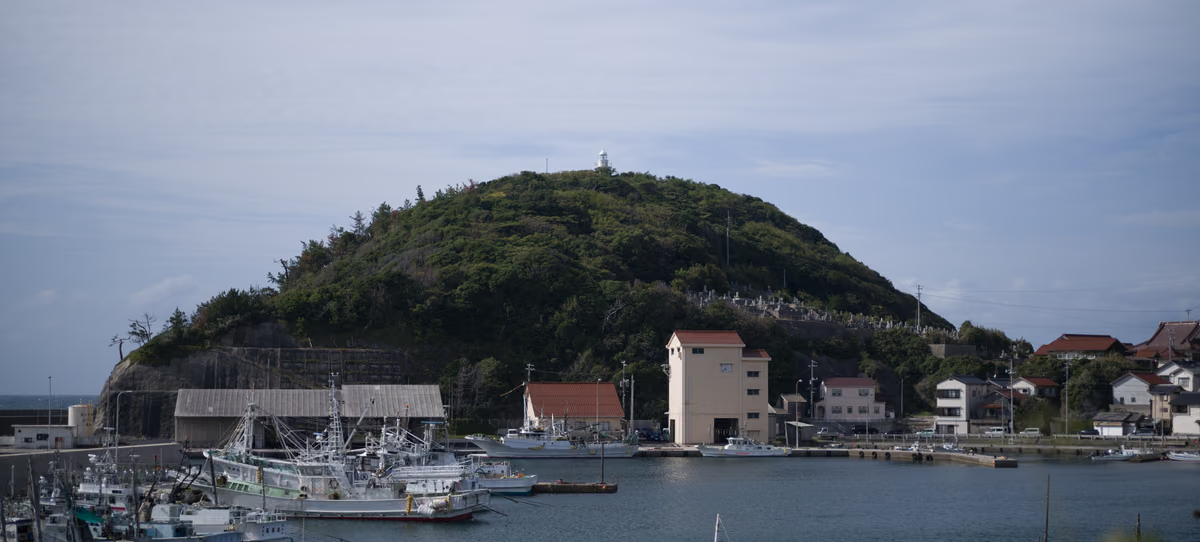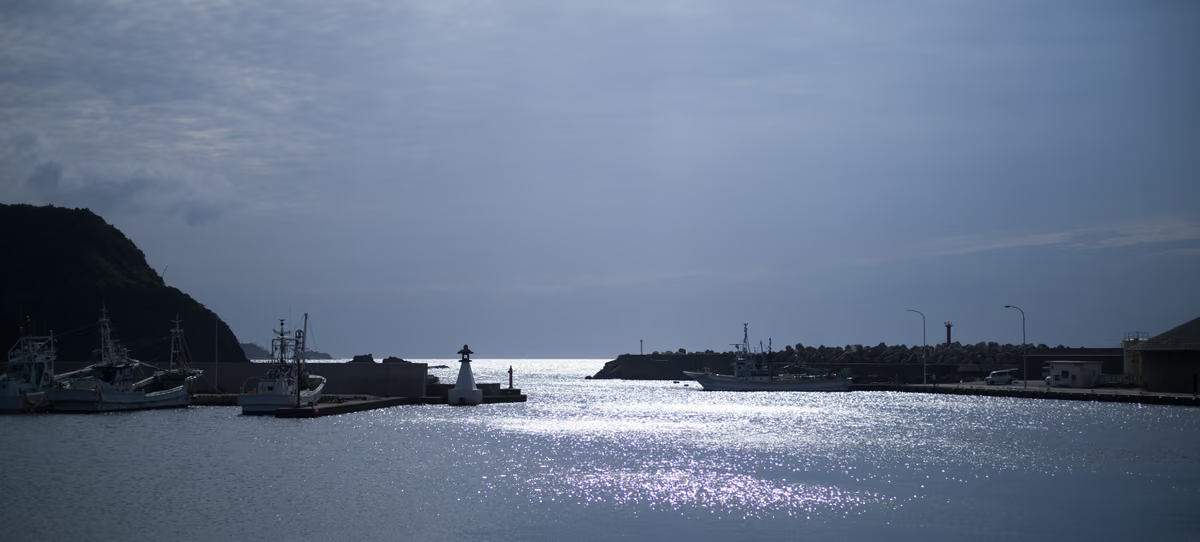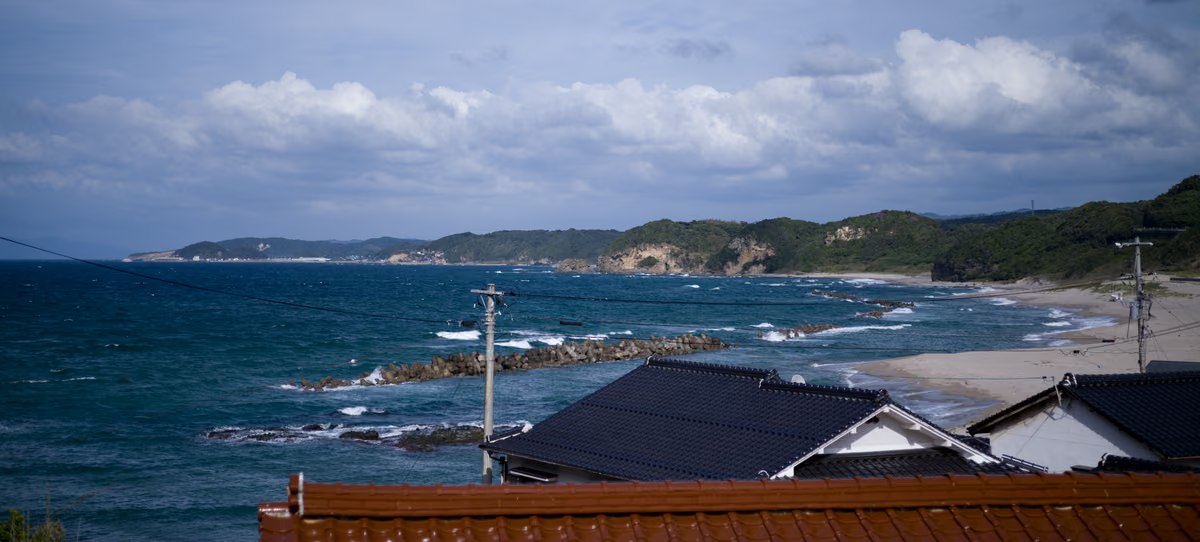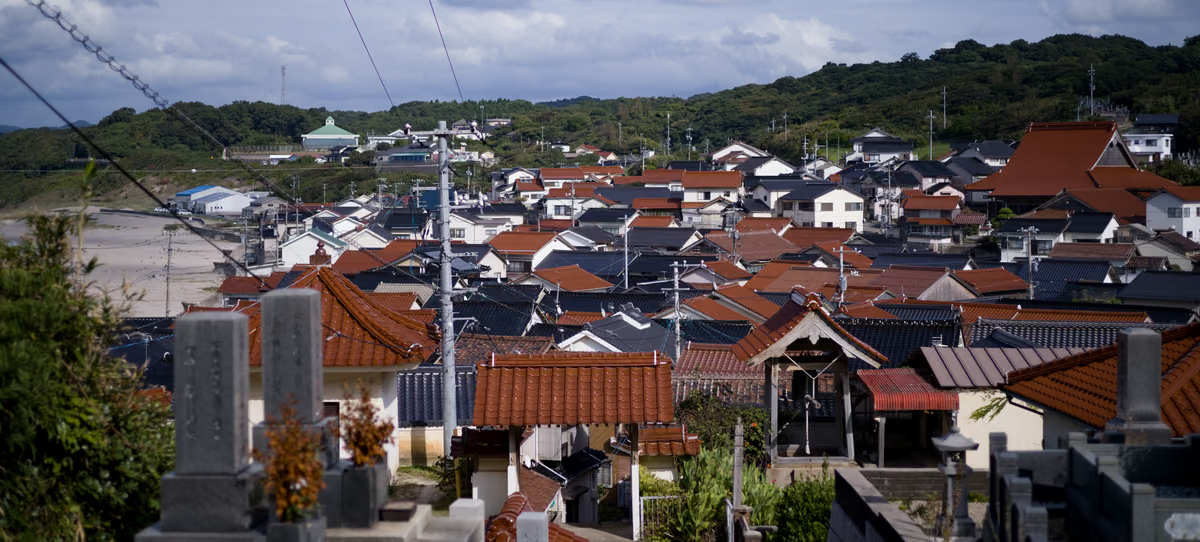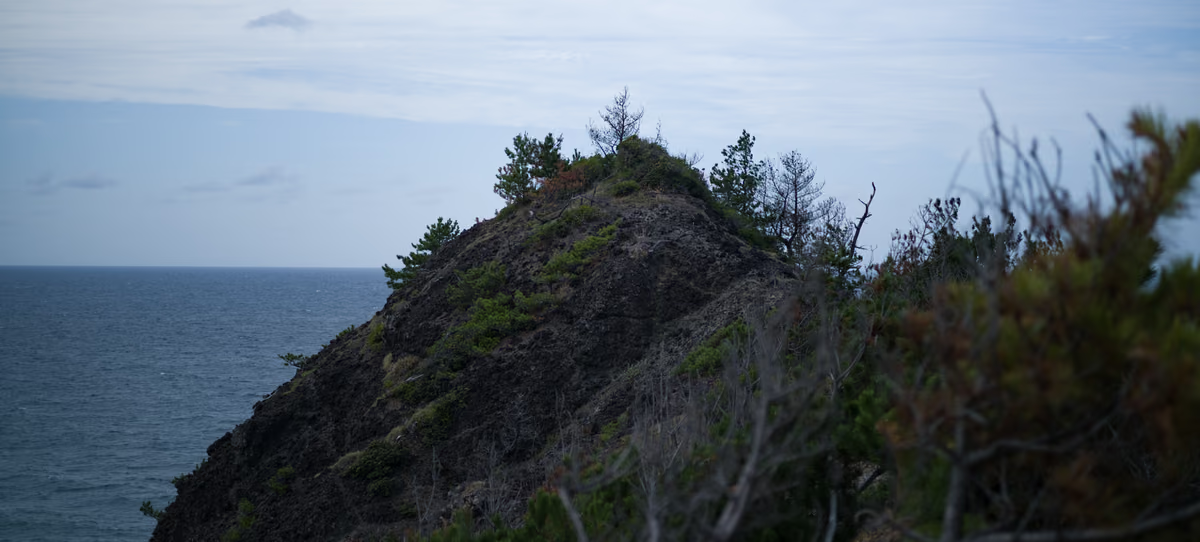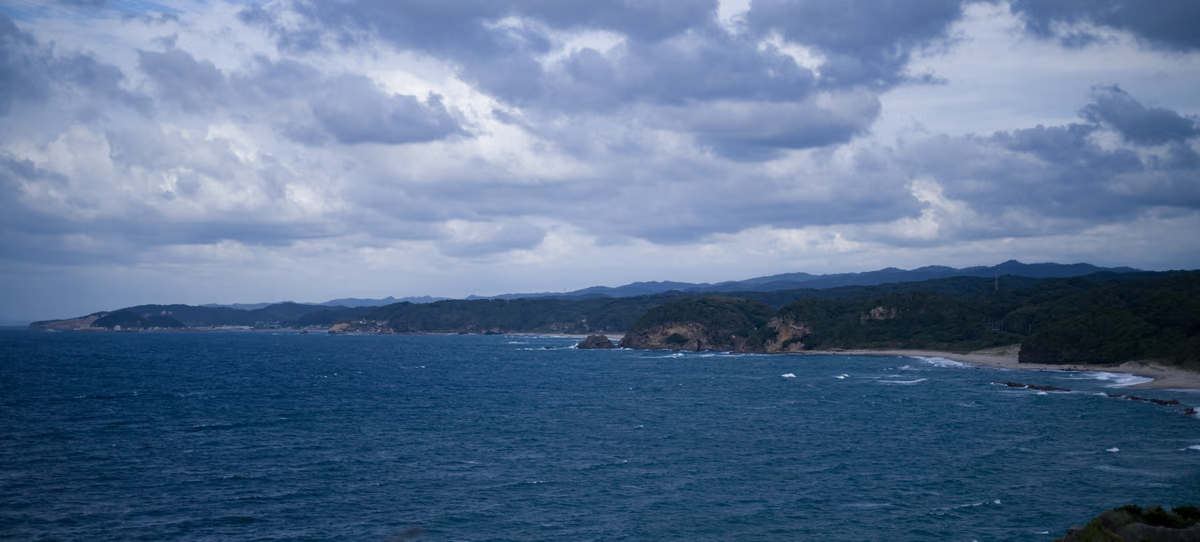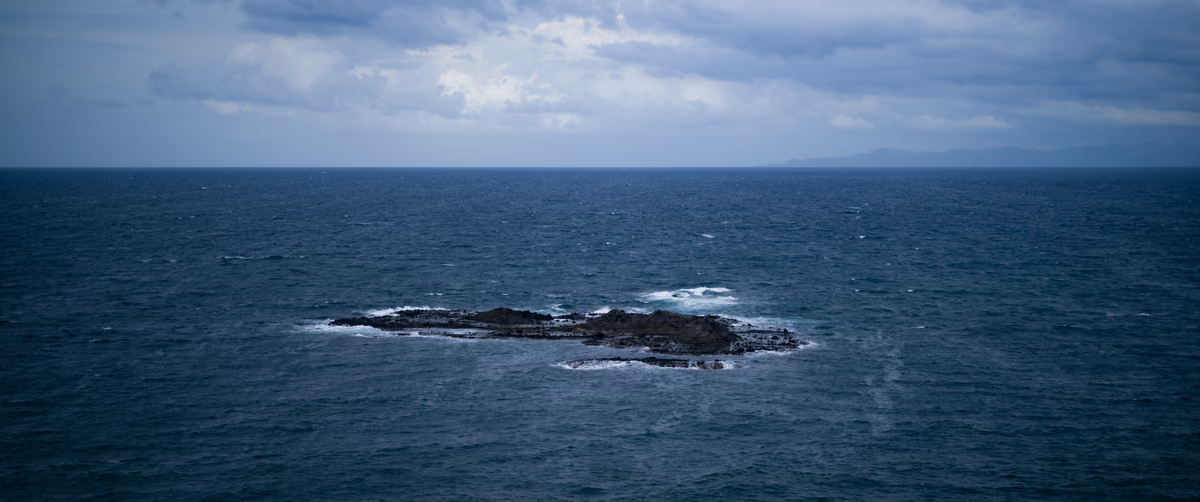
Isotake, in Shimane Prefecture. A small fishing village on a cape facing the Sea of Japan, it is the hometown of a grandfather I never met. He was born here, and after the war he spent his working life as a teacher in Osaka. He was an athlete, with a powerful build and an extraordinary heart. One day, walking up a hill, he collapsed from a heart attack and died. That was before I was born.
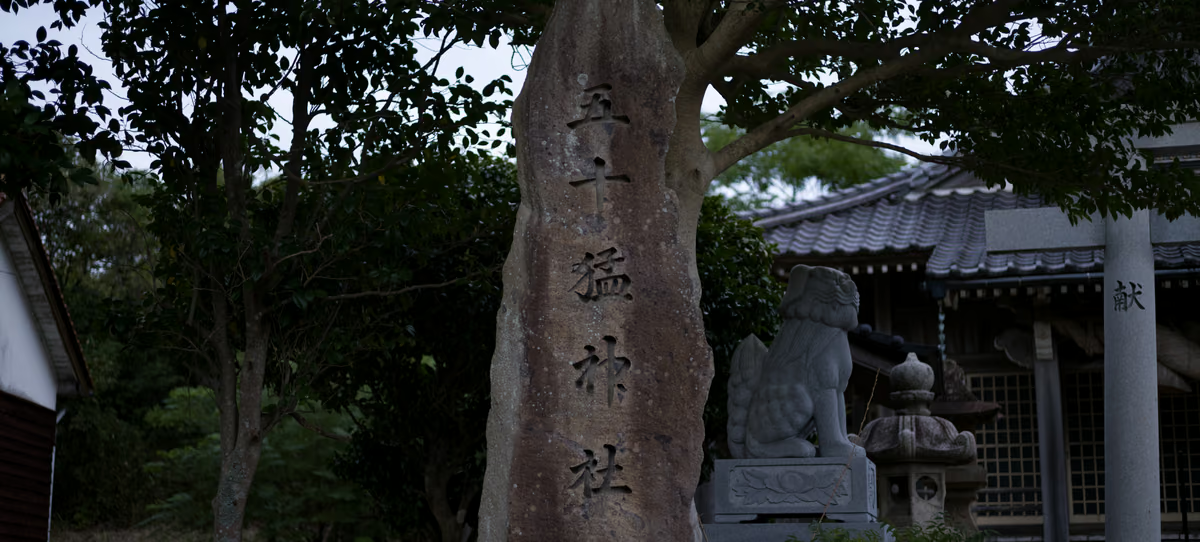
By some strange turn of fate, I, his grandson, have now come to his hometown twice since last year. It is an unusual place, one whose name is the name of a god. It lies in what was once Iwami Province, next door to Izumo. Okuninushi, enshrined at Izumo Taisha farther north, and Isotakeru, enshrined here, are closely bound in myth, and the figure who binds them is Susanoo. His shadow seems to fall across this whole region.
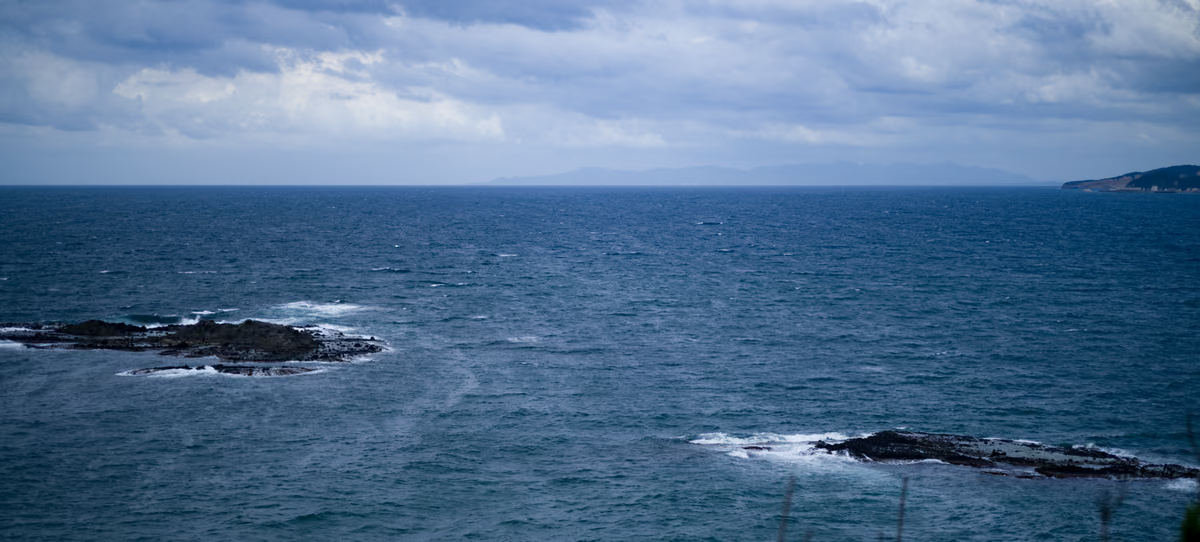
Isotakeru is a child of Susanoo. The story goes that after slaying Yamata no Orochi in Izumo, Susanoo crossed to Silla on the Korean peninsula with three of his children, Isotakeru and his two younger sisters. There he taught the planting of trees, and then he returned once more to the homeland where his mother goddess dwelt. On their way back, the gods came ashore on Karashima (韓島), an island a little south of Isotake, took off their wet clothes, and then descended upon a great rock rising from the sea off the Isotake coast. So the local legend goes.
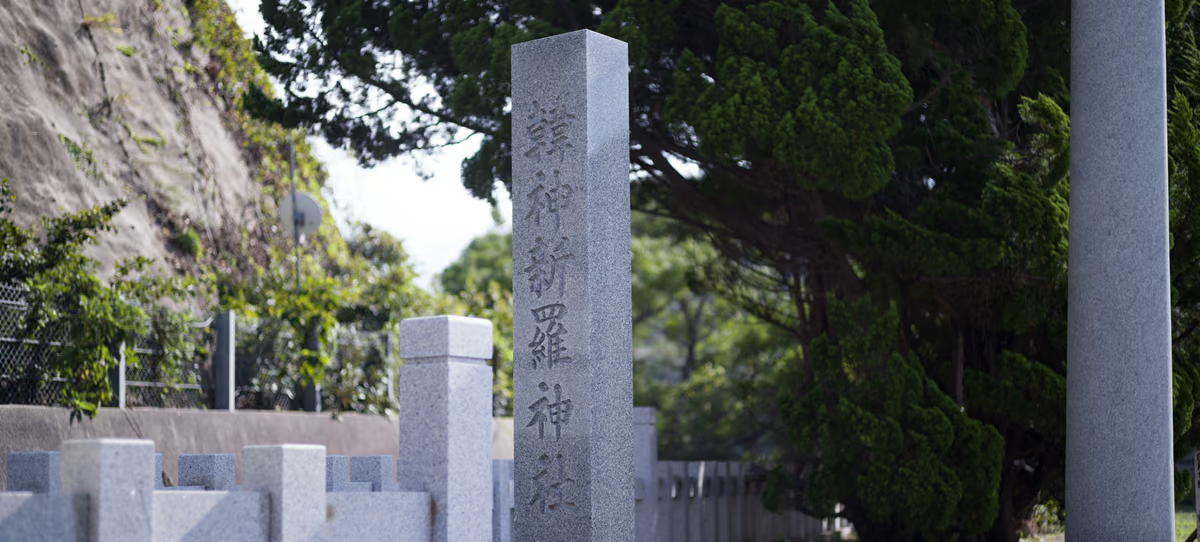
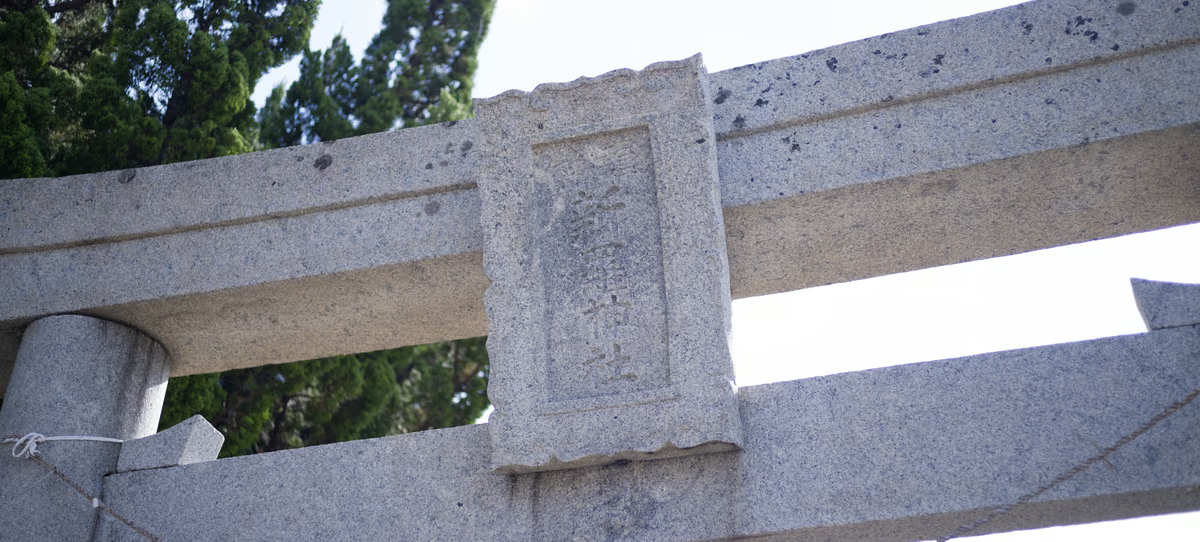
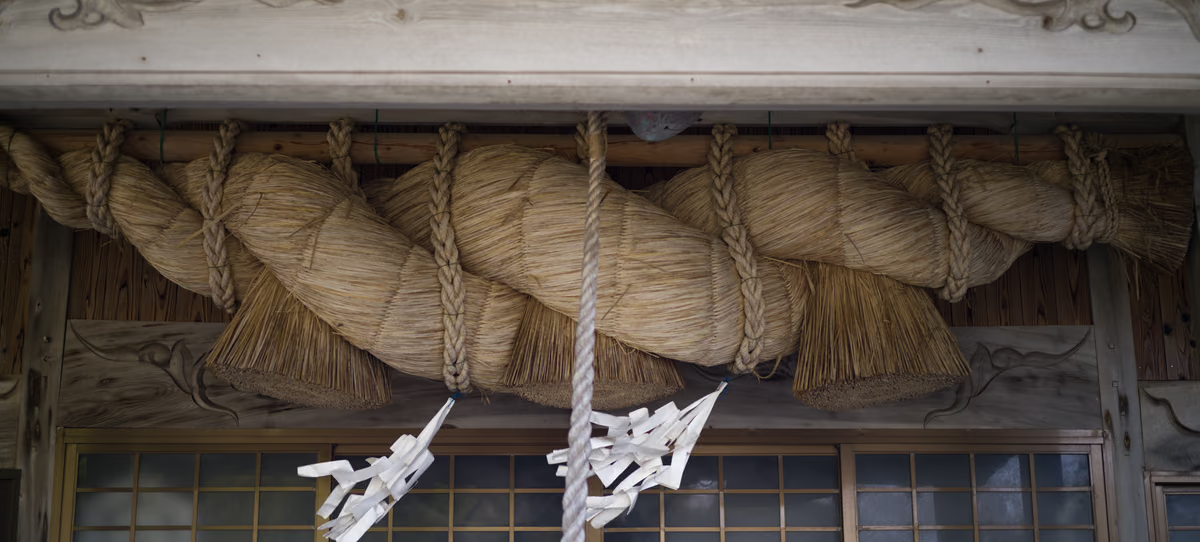
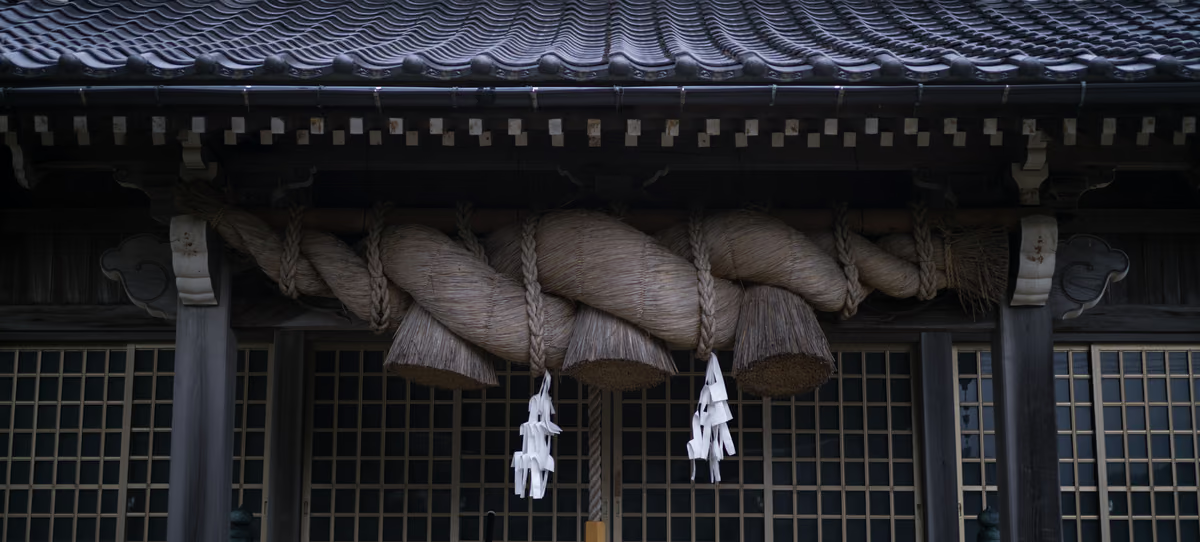
Standing guard over the fishing village is Karakami Shiragi Shrine (韓神新羅神社), where Karakami (韓神) is venerated, a deity into whom Isotakeru and others were probably merged. No other shrine in Japan carries the name of Silla and enshrines Karakami, and behind it sits the kannabi, Mount Karago (韓郷山). Place after place here bears the name Kara (韓), a word that once stretched to cover the lands across the sea on the Korean peninsula, and that here points above all to Silla. The traces of an ancient world that joined the Korean peninsula to the shores of the Sea of Japan are still plainly etched into this land. Nationalists and ethnic chauvinists may want to erase that view of history, but to the people who live here it is simply common knowledge. That sensibility is something I never want to lose.
From the tip of the cape, you can see across to the land of Izumo Taisha. A relative of mine, who died about four years ago, was born and raised here and spent his life as Isotake’s local historian. On his own, he went on searching for the traces left around Isotake by people who had crossed the sea. According to him, the god written 五十猛命 was called Isotakeru here but Itakeru in Izumo, and for a time the two readings existed side by side. As Izumo’s influence grew, Itakeru became the standard, and that is the name that spread across the country.
In ancient times, people approaching this coast from the sea could follow it into Izumo by sight alone. What is striking is that this cape is the southernmost point from which the site of Izumo Taisha can be seen. Any farther south, and the cape itself blocks the view. My relative never stopped insisting on this. And it is at that southernmost point that Isotakeru is enshrined. That is why so many legends of arrivals from across the sea survive in this small fishing village.
The seafaring peoples took their bearings from Mount Sanbe, put in here, and then sailed north toward Izumo, the gateway to the land. Stand here in the sea wind and that ancient scene comes clearly into view. Once past Izumo, I believe, they pushed inland by way of lakes and rivers and, little by little, made their way east.
This is the very frontier where history and myth cross. According to our family tree, my ancestors once lived in Edo, then moved to the country around the Iwami Ginzan silver mine to run a kimono shop, and in time settled in this fishing village, where they owned the boats and nets. The movements of the gods and the movements of my ancestors meet here, in Isotake.
Watching the rough waves break against the great rock where the gods are said to have descended, I wondered what they had come ashore to prepare, and where they had gone from here. Beyond the rock, the deep blue Sea of Japan stretches to the horizon. And yet, past that horizon, the Korean peninsula is undeniably there. Since the modern era began, the Japanese have made far too little of that fact.
To the people of Iwami, it is common sense: across the sea lies the land of Kara.
These words, left by my late relative, seem to point to where we, now, should truly be looking.